
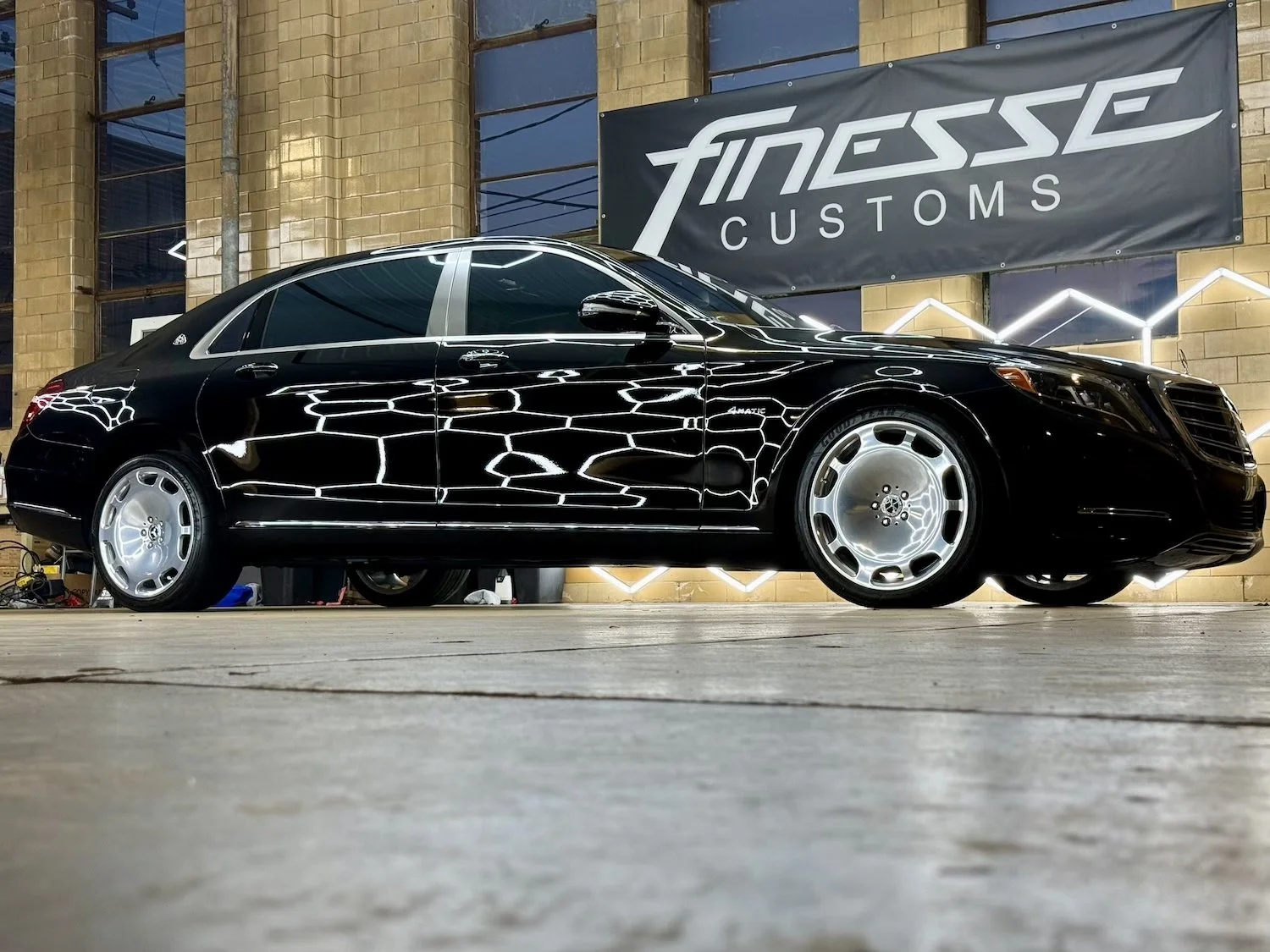
Dealership Ceramic Coating vs. Professionally Applied Ceramic Coating: What’s the Difference?
If you’re buying a new vehicle, there’s a good chance the dealership will offer some type of paint protection package before you drive off the lot.
It may be described as a ceramic coating, paint protection treatment, appearance package, environmental protection package, or exterior protection plan.
At first glance, it can sound similar to having your vehicle professionally ceramic coated by a detailing or automotive protection shop.
But are they actually the same thing?
Not always.
While some dealerships offer legitimate ceramic coating products, there can be significant differences in the product being applied, surface preparation, installation process, paint correction, durability, and overall results.
Here’s what you should know before deciding where to have your new vehicle ceramic coated.
What Is a Ceramic Coating?
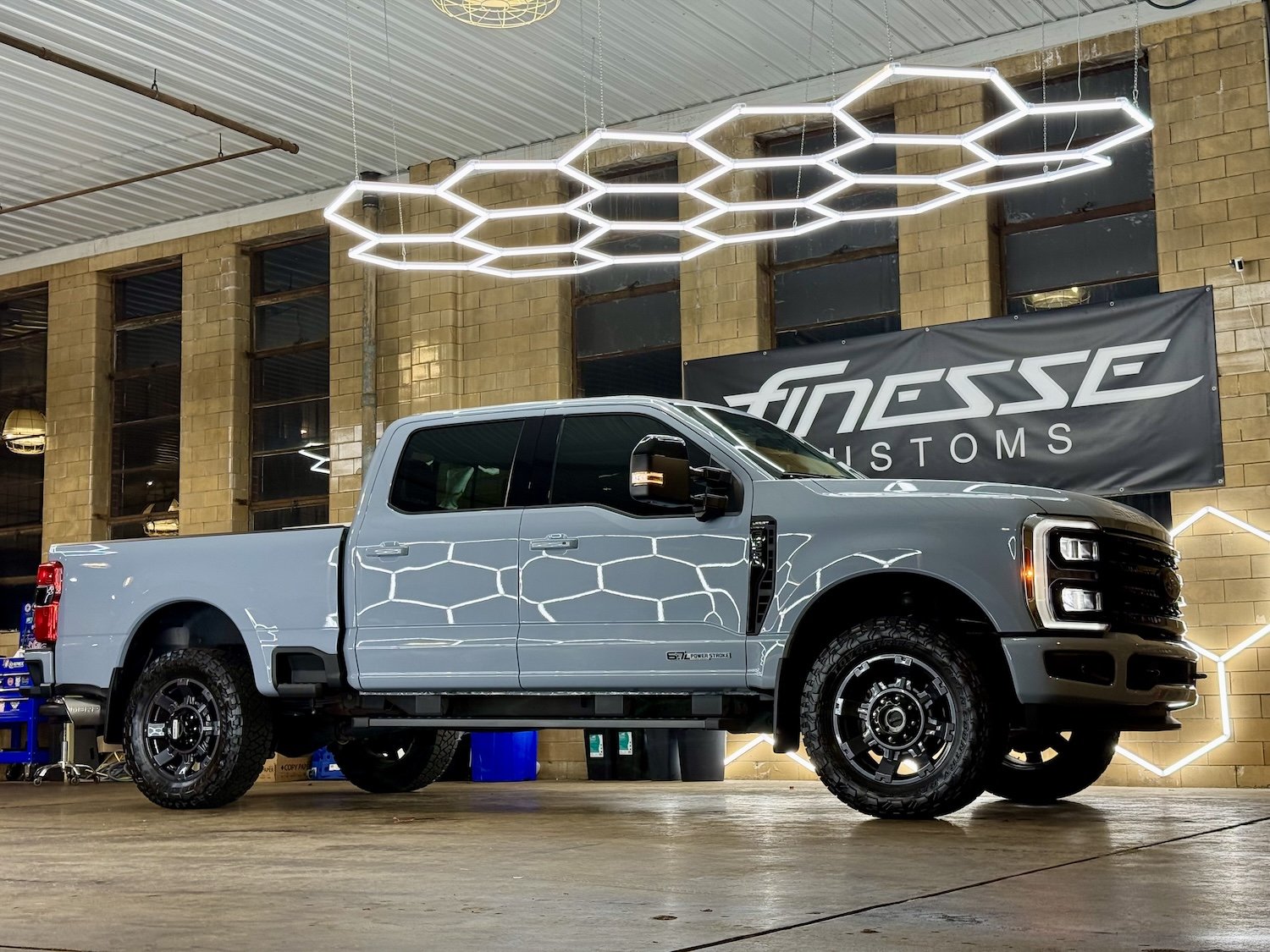
A ceramic coating is a liquid protective product that is applied to a vehicle’s painted surfaces and allowed to cure.
Once properly installed, it creates a durable layer of protection over the clear coat.
Depending on the coating, ceramic coatings can help provide:
Increased gloss and depth
Hydrophobic water behavior
Easier washing and maintenance
Better resistance to environmental contamination
Protection from UV exposure and oxidation
Improved resistance to chemical staining
A slicker, easier-to-clean surface
However, the quality of the finished result depends on much more than simply which bottle of ceramic coating is used.
Preparation and installation are extremely important.
Dealership ceramic coating packages vary dramatically.
Some dealerships partner with reputable professional installers or use high-quality ceramic coating systems.
Others may apply a faster paint sealant or entry-level coating as part of a dealership protection package.
The biggest challenge for consumers is that it can sometimes be difficult to know exactly what is being applied.
Before purchasing a dealership ceramic coating package, ask:
What exact ceramic coating product is being used?
Who applies the coating?
Is the vehicle professionally decontaminated first?
Is the paint polished before application?
How long is the expected durability?
What maintenance is required?
Is there a warranty?
What exactly does the warranty cover?
If the dealership cannot clearly explain the product and installation process, that should be considered when evaluating the package.
What Is Dealership Ceramic Coating?
What Happens During a Professional Ceramic Coating Installation?
A professional ceramic coating service normally involves significantly more preparation than simply applying a protective product to the paint.
The exact process varies between shops, but a proper installation may include:
Thorough Washing
The vehicle is carefully washed to remove dirt, road film, oils, and other surface contamination.
Paint Decontamination
Iron particles, embedded contaminants, tar, and other bonded contamination may be removed before coating.
Even brand-new vehicles can arrive with contamination from transportation, rail dust, dealership storage, or normal environmental exposure.
Paint Inspection
The paint is inspected under proper lighting for:
Swirl marks
Scratches
Water spots
Haze
Washing damage
Factory paint defects
Dealer-installed imperfections
Many owners are surprised to learn that a brand-new vehicle can already have paint defects before they ever take delivery.
Paint Correction or Polishing
If necessary, the paint is polished before the ceramic coating is installed.
This is important because ceramic coating does not remove scratches or swirl marks.
If imperfections are left in the paint, the coating can essentially preserve their appearance underneath the protection.
Surface Preparation
After polishing, the paint is cleaned with a panel-preparation solution to remove polishing oils and residue.
This allows the ceramic coating to properly bond with the paint.
Ceramic Coating Application
The coating is carefully applied panel by panel and leveled properly to prevent high spots, streaking, or uneven application.
Curing
The vehicle is then given appropriate time for the ceramic coating to begin curing before it is exposed to water or harsh environmental conditions.
1. Paint Preparation
This is often one of the biggest differences.
A dealership may be focused on preparing a vehicle quickly before delivery.
A professional ceramic coating installer is generally focused specifically on the condition of the paint and creating the best possible surface before applying protection.
Professional preparation may include:
Chemical decontamination
Mechanical decontamination
Machine polishing
Paint correction
Panel preparation
Controlled coating application
The preparation is often what separates an average ceramic coating job from an excellent one.
2. Paint Correction
One of the biggest advantages of having ceramic coating professionally installed is the ability to improve the paint before protecting it.
New vehicles are not necessarily perfect.
During transportation and dealership preparation, paint can develop:
Swirl marks
Fine scratches
Water spots
Buffer trails
Washing marks
A professional coating installer can inspect the paint and determine whether polishing is necessary before coating it.
At Finesse Customs, our ceramic coating packages include a one-step paint correction/polishing process designed to significantly improve gloss and remove many light imperfections before the coating is installed.
3. Ceramic Coating Product
Not every ceramic coating offers the same level of performance.
There are professional-grade coatings, consumer coatings, spray ceramics, ceramic-infused sealants, and many different paint protection products marketed using similar terminology.
Instead of focusing only on whether something is called “ceramic,” ask about:
Expected durability
Chemical resistance
Hydrophobic performance
Gloss
Maintenance requirements
Warranty coverage
Manufacturer reputation
The phrase ceramic coating by itself does not tell you everything about the protection being installed.
4. Installation Environment
Ceramic coatings perform best when installed under controlled conditions.
Professional ceramic coating shops typically have dedicated indoor spaces where installers can control factors such as:
Lighting
Temperature
Humidity
Dust
Surface cleanliness
Proper lighting is especially important because installers need to identify coating high spots and ensure the product is leveled evenly.
5. Installation Experience
Ceramic coating installation requires more skill than simply wiping a product onto the vehicle.
An experienced installer understands:
Coating flash times
Temperature and humidity changes
Proper leveling techniques
Paint preparation
Polishing
High-spot removal
Curing procedures
Professional installers also perform ceramic coatings regularly, meaning the process is a major part of their business rather than an optional add-on.
6. Warranty vs. Actual Protection
Some dealership protection packages focus heavily on the warranty included with the product.
That warranty may still provide value, but consumers should understand the difference between a warranty program and the physical performance of the coating itself.
Before purchasing any ceramic coating package, ask exactly what the warranty covers.
For example:
Does it cover environmental stains?
Does it cover paint failure?
Does it cover water spots?
Does it require annual inspections?
Are maintenance washes required?
Are there exclusions?
Always evaluate both the coating itself and the warranty behind it.
Dealership Ceramic Coating vs. Professional Ceramic Coating
Is Dealership Ceramic Coating Bad?
Not necessarily.
There are dealerships that use legitimate ceramic coating products and qualified installers.
The issue is simply that dealership paint protection programs vary widely.
One dealership may have an experienced coating technician performing extensive preparation.
Another may be applying a much faster protection product before the vehicle is delivered.
That is why we recommend asking about the actual process instead of assuming all dealership ceramic coatings are the same.
For many owners who plan to keep their vehicle for several years, a professionally installed ceramic coating can make a lot of sense.
New vehicles are actually some of the best candidates for ceramic coating because the goal is to protect the paint before years of environmental exposure and washing begin.
Benefits can include:
Easier washing
Better gloss
Hydrophobic protection
Reduced contamination buildup
Protection against environmental elements
Easier long-term maintenance
The earlier the paint is properly protected, the easier it can be to maintain its appearance.
Is Professional Ceramic Coating Worth It on a New Vehicle?
What Should I Ask Before Buying Ceramic Coating?
Whether you are purchasing ceramic coating from a dealership or an independent professional installer, ask these questions:
What exact coating product are you applying?
How long is the coating expected to last?
Is paint polishing included?
Will the vehicle be decontaminated first?
Who performs the installation?
How long does the installation take?
What surfaces are included?
Is there a warranty?
What maintenance is required?
What happens if there is a problem with the coating?
A reputable installer should be comfortable explaining the entire process.
Wondering if Ceramic Coating is worth it? Read our Is Ceramic Coating Worth It Guide
Should I Let the Dealership Detail My Vehicle Before Ceramic Coating?
If you already know that you plan to have your new vehicle professionally ceramic coated, you may want to ask the dealership not to wash or detail the exterior before delivery.
Dealership washing does not automatically damage paint, but improper washing techniques can create swirl marks and scratches.
A professional coating installer can properly wash, inspect, polish, and prepare the vehicle before applying protection.
This gives the installer greater control over the condition of the paint from the beginning.
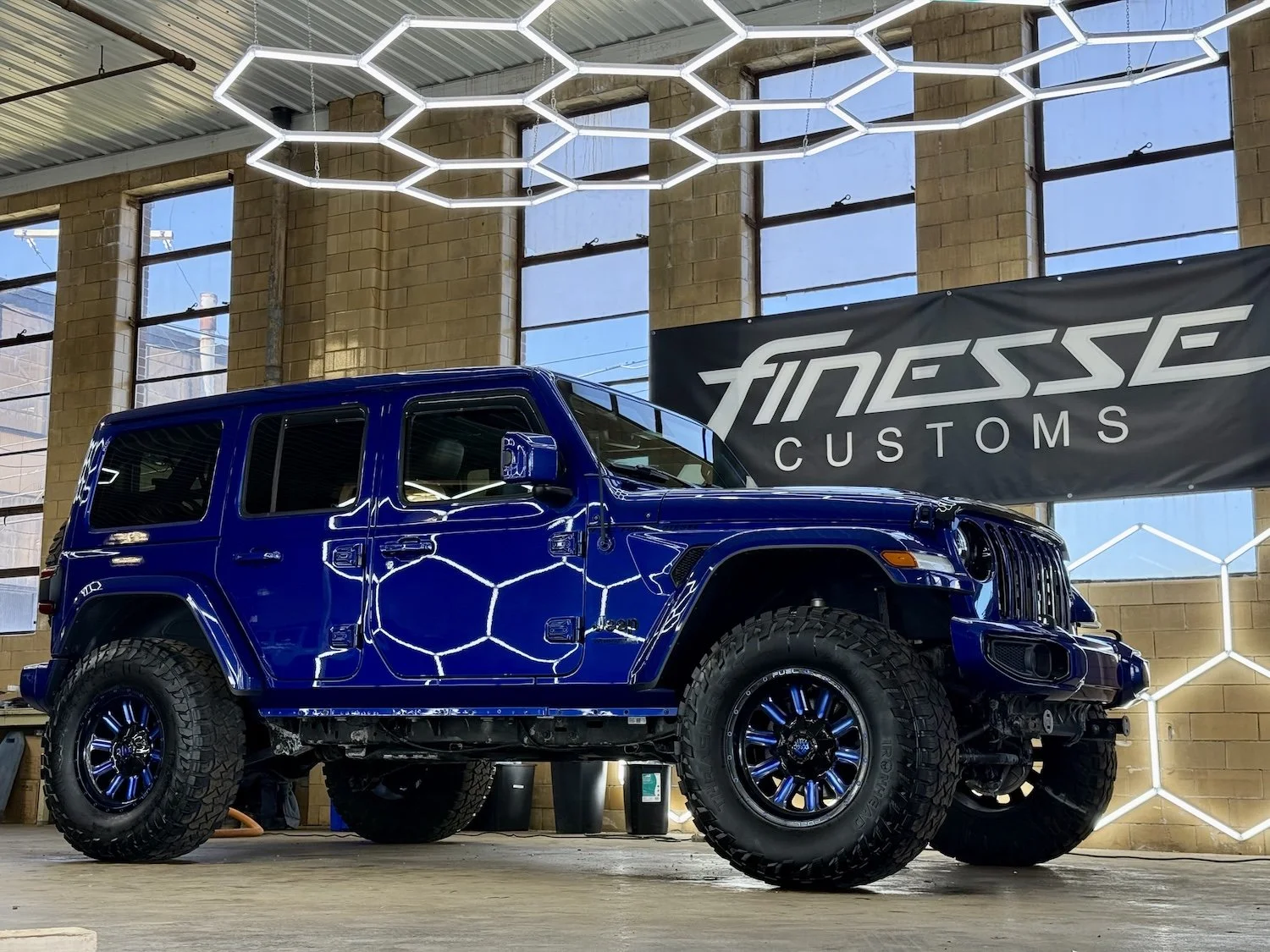
Ceramic Coating in Canton, Ohio
WAt Finesse Customs in Canton, Ohio, we professionally install ceramic coatings on new and used vehicles.
Our ceramic coating process focuses heavily on preparation because we believe the finished result is only as good as the surface underneath it.
Our ceramic coating services can include:
Professional vehicle preparation
Paint decontamination
One-step paint correction
Professional ceramic coating application
Exterior trim protection
Glass protection
Additional protection options depending on the package
We regularly ceramic coat everything from daily drivers and trucks to luxury vehicles, performance cars, SUVs, and brand-new vehicles directly from the dealership.
If you're purchasing a new vehicle and wondering whether you should ceramic coat it at the dealership or have it professionally installed afterward, we're happy to help you compare your options.
Frequently Asked Questions
-
Professional ceramic coatings can last anywhere from 2 to 10+ years depending on the coating type and maintenance.
-
Ceramic coating improves resistance to minor marring but does not make paint scratch-proof.
-
Yes — but ceramic coating makes washing easier and helps reduce dirt bonding.
-
Yes. Older vehicles can be coated after proper paint correction.
-
Most ceramic coating installations take 1–3 days depending on preparation and curing requirements.
Get Expert Guidance for Your Vehicle
Because every vehicle is different, the best way to determine accurate pricing is with a quick quote.
Vehicle size, paint condition, and correction needs all affect final cost.
👉 Get pricing in under 60 seconds using our instant quote tool.
Continue Your Research
If you're still deciding whether ceramic coating is right for your vehicle, you may also find these guides helpful: