
WoolWax vs Krown: Which Rustproofing Is Better?
WoolWax and Krown Aren’t the Same—Here’s Why
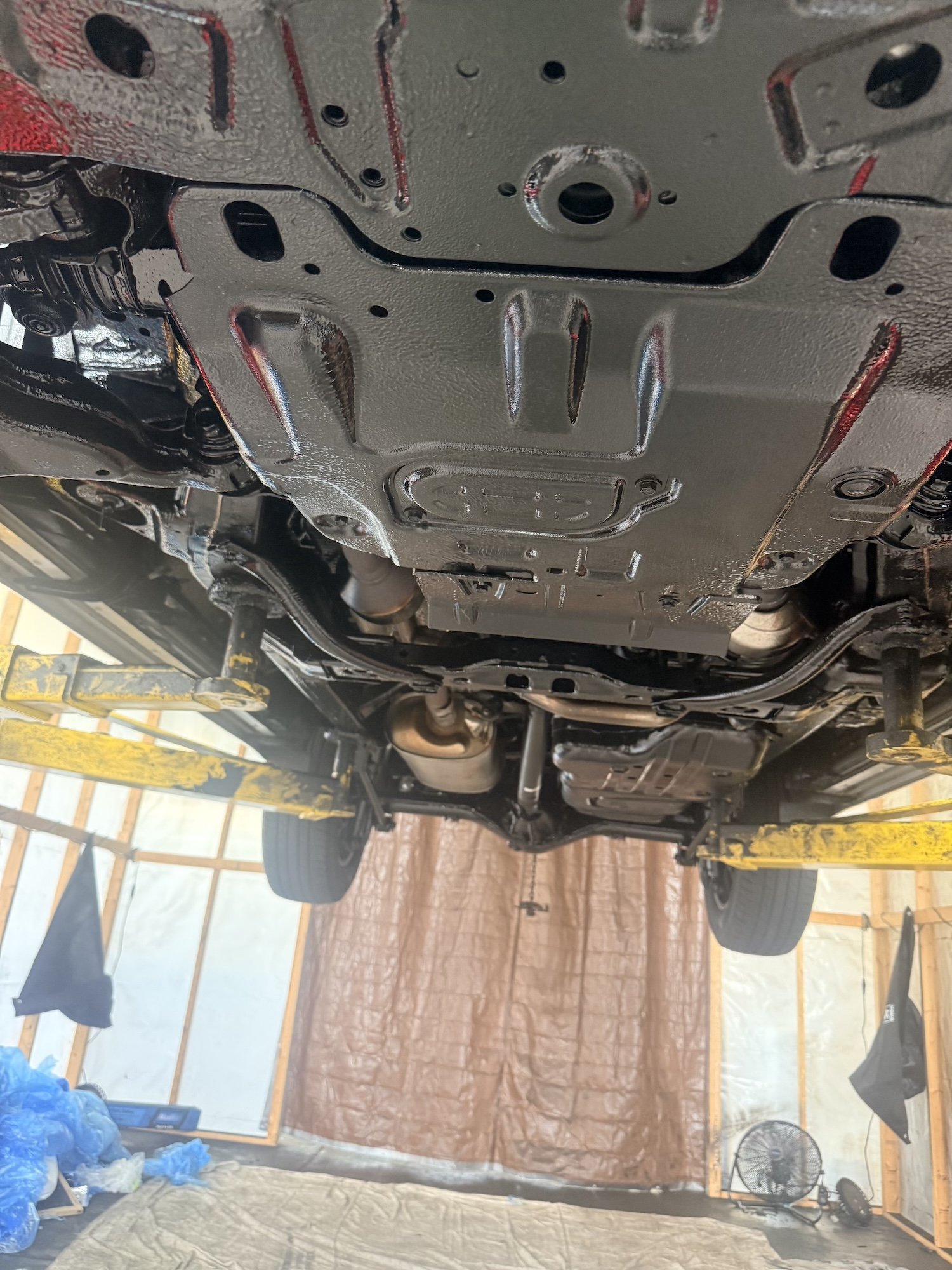
If you're looking for rust protection for your car or truck, there's a good chance you've come across both WoolWax and Krown.
Both products are designed to protect metal from moisture, road salt, brine, and corrosion—but they don't use the same formula or behave exactly the same way after they're applied.
So what's the difference between WoolWax and Krown, and which type of rustproofing makes the most sense for your vehicle?
Here's what you should know before choosing.
*Get pricing in under 60 seconds
WoolWax vs. Krown at a Glance
Both products are designed to protect against rust and corrosion, but they use different formulas and take different approaches. Here's how they compare.
What Is WoolWax Rustproofing?
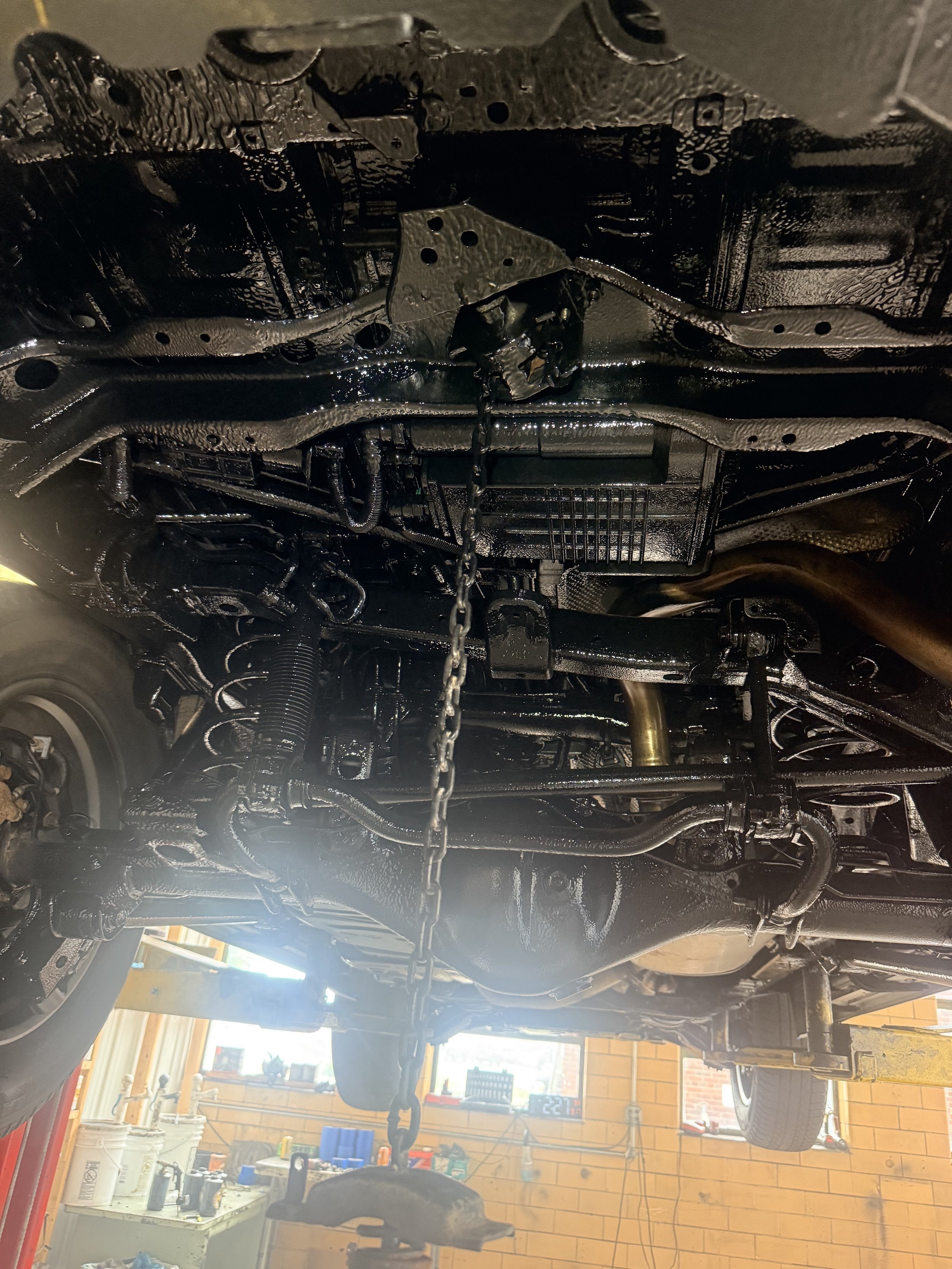
WoolWax is a thick, non-drying corrosion inhibitor made from wool grease and designed specifically for vehicle undercarriages. Instead of drying into a hard shell, WoolWax remains soft and active after application, creating a barrier that helps keep moisture, oxygen, road salt and brine away from the metal underneath.
What separates WoolWax from thinner rustproofing products is its heavy, viscous consistency. It is solvent-free and formulated to resist washing off exposed areas of the undercarriage while still creeping and migrating into seams, folds and other difficult-to-reach areas. Because it doesn't dry or harden, the coating can be inspected, touched up and reapplied as it wears rather than needing to be stripped off before future treatments.
For vehicles exposed to snow, salt and brine, WoolWax's approach is simple: put a thick, long-lasting barrier between the metal and the elements that cause corrosion.
What Is Krown Rustproofing?
Krown is a petroleum-based rust inhibitor that also remains fluid rather than drying into a hard coating. Like WoolWax, its purpose is to create a protective barrier between the vehicle's metal and the moisture and contaminants that contribute to corrosion.
Where Krown differs most is its thinner consistency. The fluid formula is designed to creep deeply into seams, joints, spot welds, body panels and enclosed areas where moisture can collect and corrosion often begins. Because it stays fluid, it can continue moving across treated surfaces rather than cracking or chipping like a hard coating.
Krown is designed as an annual rustproofing treatment, with yearly reapplication used to refresh the protective barrier as the product wears over time.
So while WoolWax and Krown share the same basic goal, they approach it differently: WoolWax emphasizes a thicker, wash-off-resistant barrier, while Krown emphasizes fluidity and penetration.
The Biggest Difference: Thickness vs. Penetration
This is one of the biggest differences between WoolWax and Krown.
WoolWax is the thicker of the two. Its high viscosity helps it build a substantial coating on exposed areas underneath the vehicle, where road spray, rain, snow, salt and slush are constantly working against the protection.
Krown is thinner and more fluid. That allows it to flow readily into tight seams, joints and enclosed areas that can be difficult to reach.
That doesn't mean WoolWax can't creep or Krown can't protect exposed surfaces. Both products are designed to do both. The difference is where each formula places more emphasis.
If you think of the two approaches simply:
WoolWax = thicker barrier + strong wash-off resistance
Krown = thinner fluid + strong penetration
That fundamental difference affects many of the other comparisons between the two products.
Which Lasts Longer: WoolWax or Krown?
Maintenance is another significant difference.
Krown recommends having the vehicle treated annually. Its fluid coating is refreshed each year to maintain protection as the previous application gradually wears.
WoolWax is also a maintenance coating, but its thicker formulation is designed to remain on exposed undercarriage surfaces for a longer period. For matinace you only have to come back every 18 - 24 months.
Which Is More Resistant to Washing Off?
This is one of WoolWax's strongest characteristics.
The underside of a vehicle is a harsh environment. Water, slush, road salt and spray constantly hit exposed components while you're driving. A corrosion inhibitor has to remain on those surfaces in order to continue protecting them.
WoolWax is intentionally formulated to be very thick and highly resistant to wash-off. Because it contains no solvents, there isn't an evaporation process that leaves behind a dramatically thinner coating after application.
Krown takes a different approach. Its thinner consistency helps the product penetrate into tight areas, but its protection is maintained through annual reapplication.
This creates one of the clearest tradeoffs between the two systems: Krown prioritizes fluidity and penetration, while WoolWax prioritizes thickness and staying power on exposed surfaces.
Do WoolWax and Krown Dry or Harden?
Neither product is a traditional hard or rubberized undercoating.
That's an important similarity.
WoolWax remains soft and pliable after application. Krown remains fluid. Neither is intended to cure into the rigid shell commonly associated with rubberized undercoating.
Why does that matter?
A non-hardening coating can continue moving into small gaps and doesn't depend on maintaining a perfectly intact hard shell to protect the metal underneath. It can also be inspected and reapplied during future maintenance.
For someone deciding between WoolWax and Krown, the choice isn't really soft coating vs. hard coating.
It's a comparison between two different types of active, non-hardening corrosion protection.
WoolWax vs. Krown on Existing Rust
Rustproofing isn't only for brand-new vehicles.
Both WoolWax and Krown can be used as part of a corrosion-protection strategy on vehicles that already have some existing surface rust. Their non-hardening formulas create a barrier intended to limit the moisture and oxygen that contribute to continued corrosion.
However, there's an important distinction between rustproofing and rust repair.
Rustproofing does not replace metal that has already been lost to corrosion, repair structural damage or magically reverse severe rust.
A vehicle with light or moderate surface corrosion may still be an excellent candidate for rustproofing. A vehicle with severe scaling, perforation or structural corrosion should be evaluated before simply covering the area with any product.
The earlier a vehicle is protected, the better.
WoolWax vs. Krown for a New Vehicle
A brand-new vehicle is actually one of the best times to begin a rustproofing program.
Instead of waiting for visible corrosion to develop and then trying to slow its progression, you're protecting relatively clean metal before years of exposure to moisture, road salt and brine.
Both WoolWax and Krown can be used for this preventative approach.
The bigger decision is how you want to maintain that protection over the life of the vehicle.
Krown is built around an annual treatment schedule, while WoolWax's thicker coating can allow for longer intervals between full applications depending on how the vehicle is used and how the coating is wearing.
Whichever system you choose, starting early gives corrosion less of a head start.
Which Is Better for Ohio Winters?
Both products are designed to protect vehicles in environments where moisture, salt and winter road treatments contribute to corrosion.
For Northeast Ohio drivers, however, wash-off resistance is especially important.
During winter, the underside of a vehicle can repeatedly encounter wet roads, snow, slush, salt and brine. That's one reason we place significant value on the thicker consistency of WoolWax.
Krown's thinner formula offers excellent penetration into seams and enclosed areas, while WoolWax combines creeping ability with a considerably thicker coating designed to remain on exposed underbody surfaces.
For the type of winter conditions our customers experience in Northeast Ohio, we prefer WoolWax's balance of penetration, thickness and wash-off resistance.
So, Is WoolWax Better Than Krown?
Both are legitimate rustproofing systems, and both take a much different approach than simply covering the underside of a vehicle with a hard rubberized coating.
Krown's biggest strength is penetration. Its thin, fluid formula is designed to reach seams, joints and enclosed areas, and the system is maintained through annual applications.
WoolWax's biggest strength is its heavier coating and resistance to wash-off. It remains soft and active, continues to creep after application, and is designed to provide longer-lasting protection on exposed underbody surfaces.
At Finesse Customs, we choose WoolWax because we believe its thicker formulation and resistance to wash-off make it particularly well suited for vehicles exposed to Northeast Ohio's salt, brine, snow and wet winter roads.
That doesn't make Krown a bad product.
It simply means the two products take different approaches to the same problem—and WoolWax's approach is the one we prefer for our rustproofing services.
Why We Chose WoolWax®
After researching available rustproofing products and considering the conditions vehicles experience in Northeast Ohio, we chose Woolwax for our rustproofing service.
Our decision came down to several factors:
Thicker consistency
Excellent corrosion protection
Strong resistance to wash-off
Continues creeping into seams
Solvent-free formula
Excellent performance in harsh winter environments
While we believe Krown is also a quality product, Woolwax aligns best with the level of protection we want to provide our customers.
Frequently Asked Questions
-
No. Both are non-hardening corrosion inhibitors designed to protect vehicles from rust, but they use different formulations. WoolWax is a thick wool-grease-based coating, while Krown uses a thinner petroleum-based fluid.
-
No.
Like Fluid Film, Woolwax remains soft so it can continue protecting and creeping into vulnerable areas.
-
WoolWax is specifically formulated to be highly resistant to wash-off, but no maintenance undercoating should be considered completely permanent. High-wash areas can wear over time and should be inspected periodically.
-
Yes. WoolWax is non-toxic, non-corrosive, and safe for use around brake lines, electrical connections, rubber components, and factory coatings. It is commonly used in harsh winter environments specifically because it protects critical components without causing damage.
-
Absolutely. Ohio roads are heavily treated with salt and brine during winter months, which accelerates corrosion. Rustproofing with WoolWax helps protect your vehicle’s underbody, frame, and components, extending the life and value of your vehicle.
-
WoolWax provides long-term corrosion protection and is rated to last up to 5 years under normal driving conditions. Our Ultimate Undercoating Package, which includes a hardened protective layer over WoolWax in high-exposure areas, extends protection up to 10 years. Proper application and recommended inspections help ensure the coating performs for its full rated lifespan.
-
For standard WoolWax undercoating packages, we recommend a touch-up inspection every 18–24 months to maintain optimal protection, depending on driving conditions and exposure to salt and moisture.
With our Ultimate Undercoating Package, no touch-ups are required during the rated lifespan of the coating, as the added hardened protection provides long-term durability.
-
WoolWax can be applied to vehicles with existing surface corrosion as part of a corrosion-protection program. However, rustproofing is not a substitute for repairing severe, structural or perforating rust.
-
WoolWax is considerably thicker and more viscous. Krown's thinner consistency is intentional and allows it to penetrate seams, joints and enclosed areas easily.
-
No. WoolWax remains soft and pliable, while Krown remains fluid. Neither is a traditional hard rubberized undercoating.
-
Both can be used on trucks. For trucks regularly exposed to snow, road salt, brine, job sites or other harsh conditions, we prefer WoolWax because of its thick coating and resistance to wash-off on exposed underbody components.
-
Starting when the vehicle is new can be ideal because you're protecting relatively clean metal before years of corrosion have had an opportunity to develop.
-
No rustproofing product can guarantee that a vehicle will never develop corrosion. Proper application, coverage, periodic inspections, maintenance and the conditions in which the vehicle is driven all affect long-term results.
Why Professional Application Matters
Choosing the right product is only part of the equation.
Proper preparation, attention to detail, and complete coverage are just as important.
At Finesse Customs, we carefully treat high-risk corrosion areas throughout the vehicle rather than simply spraying visible surfaces.
Our goal is long-term protection—not the fastest application possible.
Rustproofing & Undercoating Service Areas
We proudly provide professional rustproofing and undercoating services for drivers throughout Northeast Ohio, including:
If you’re located near Canton and want rustproofing applied correctly, you can learn more about our professional undercoating services here.
Protect Your Vehicle Before Rust Starts
Rust damage is significantly easier — and far less expensive — to prevent than it is to repair.
Investing in the right protection today can help preserve your vehicle’s structure, safety, and long-term value for years to come.
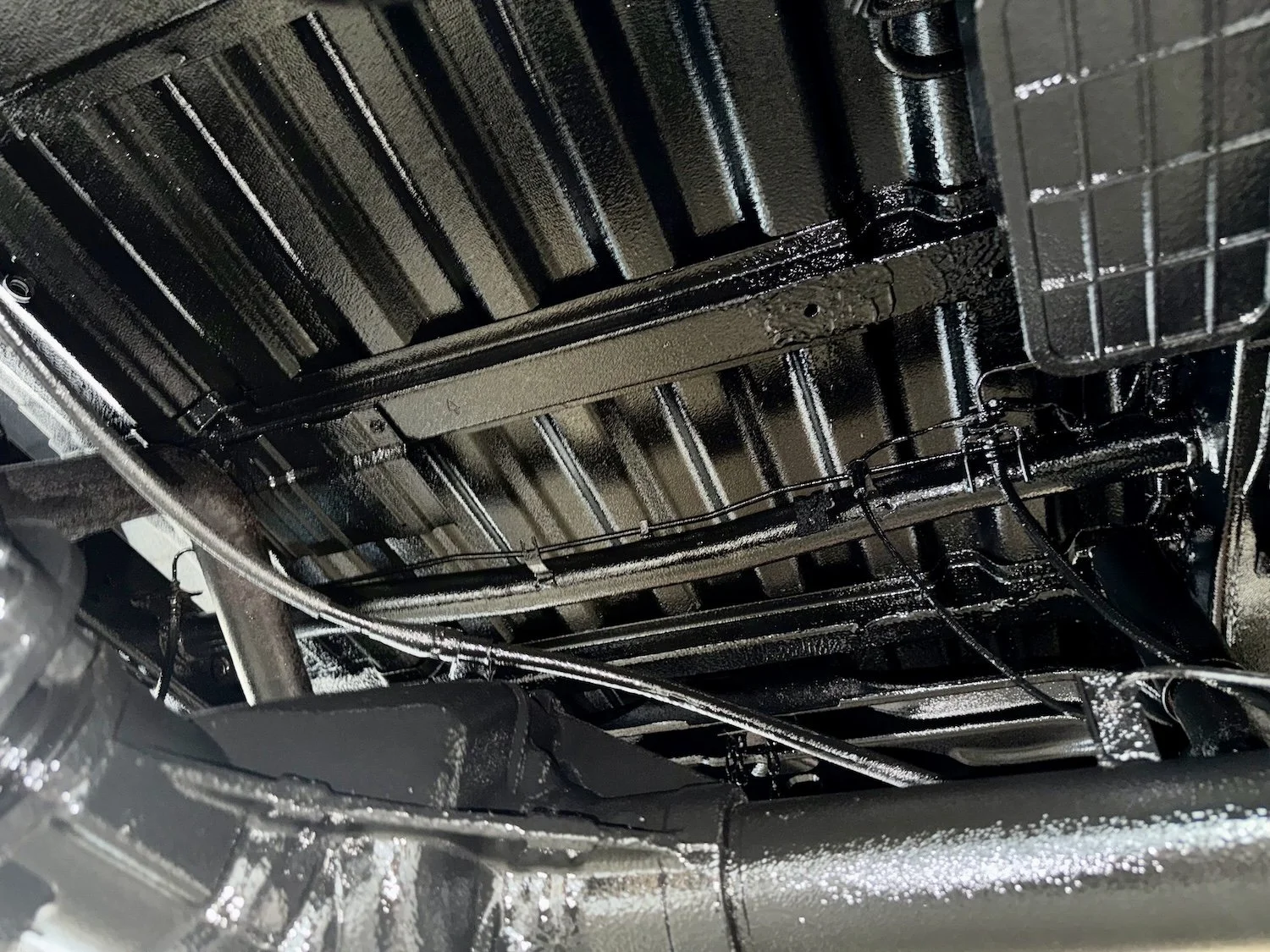
Undercoating Instant Quote
*Get pricing in under 60 seconds